Energy-Efficient Home Building in Tampa Bay

Alfil Construction LLC
General Contractor
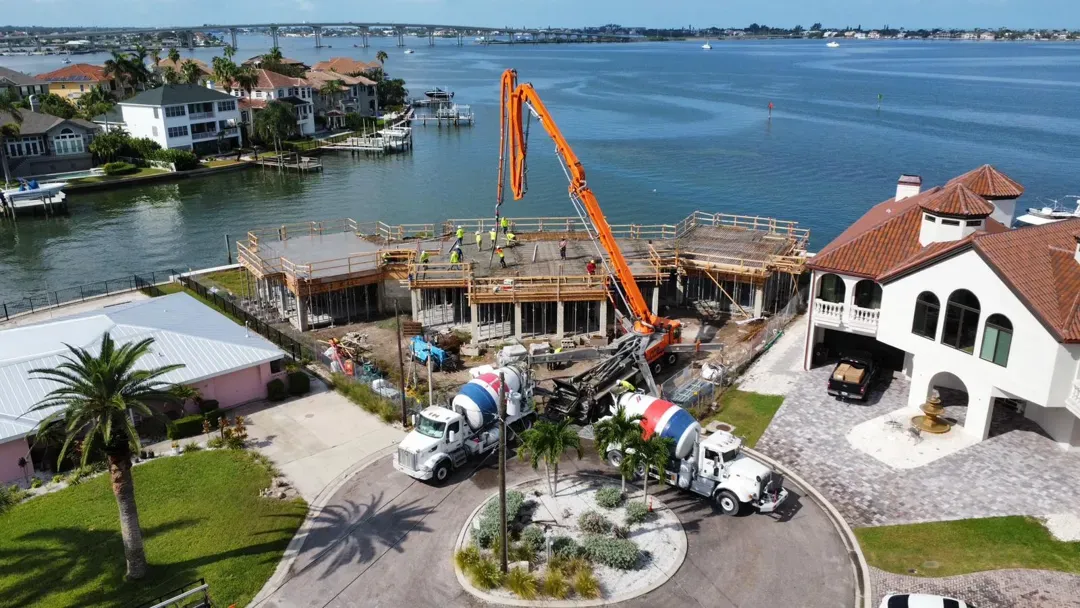
Tampa's heat and humidity make energy efficiency more than a nice-to-have — it's a major factor in your monthly cost of living. A home built with energy efficiency in mind from the start can cut utility bills by 30% or more compared to standard construction. And with federal tax credits now offering up to $3,200 annually for qualifying energy improvements, there's never been a better time to build green in Tampa Bay.
Start With the Building Envelope
The building envelope — walls, roof, windows, and doors — is your home’s primary defense against Tampa’s heat. Getting this right eliminates up to 45% of energy waste before you even think about mechanical systems.
Insulation: Tampa homes need above-code insulation in the attic, which is the number one source of heat gain. Spray foam insulation in the roof deck creates a sealed attic that keeps conditioned air where it belongs and keeps Tampa’s 95-degree attic temperatures out of your living space.
Air sealing: Small gaps around windows, doors, plumbing penetrations, and electrical outlets add up to significant energy loss. Professional air sealing during construction is far more effective and affordable than trying to seal an existing home after the walls are closed.
Windows: Impact-rated, low-E glass windows serve double duty in Tampa — they meet hurricane building code requirements while blocking solar heat gain. Look for windows with a Solar Heat Gain Coefficient (SHGC) below 0.25 for the best performance in our climate.
High-Performance HVAC
Air conditioning is the single largest energy expense in a Tampa home, typically accounting for 40–50% of your electric bill. A custom home gives you the opportunity to right-size and optimize your HVAC system:
- Variable-speed systems — Unlike single-speed units that cycle on and off, variable-speed compressors run at exactly the capacity needed. They maintain more consistent temperatures, remove more humidity, and use significantly less energy.
- Zoned cooling — Separate zones for living areas and bedrooms mean you’re not cooling the entire house when you only need one section comfortable. A well-designed zoning plan can cut HVAC energy use by 20–30%.
- Duct design — Ducts inside the conditioned envelope (not in the attic) prevent the 20–30% energy loss that’s common in homes with attic ductwork. This is easy to plan during new construction but nearly impossible to retrofit.
Solar Power in Tampa
Tampa averages 244 sunny days per year, making solar panels a strong investment for custom home owners. But the key is to build efficiently first, then size your solar system based on reduced energy needs:
- Build a tight, well-insulated envelope
- Install high-efficiency HVAC and appliances
- Size your solar array to offset remaining consumption
A properly sized solar array on a well-built Tampa home can reduce or eliminate your electric bill entirely. And with the federal Investment Tax Credit still available, the payback period for solar in Tampa is typically 6–8 years.
Smart Energy Management
Connecting your home’s systems through smart technology creates ongoing savings:
- Smart thermostats — Learn your schedule and adjust automatically. In Tampa’s climate, the difference between a well-programmed thermostat and a manually set one can be $30–$50 per month.
- LED lighting with occupancy sensors — Automated lighting that turns off when rooms are empty eliminates waste without requiring any thought.
- Energy monitoring — Whole-house energy monitors show you exactly where electricity is being used, helping you identify and eliminate waste.
Water Efficiency
Tampa’s water rates have increased steadily, and a custom home is the ideal opportunity to build in water efficiency:
- Low-flow fixtures — Modern low-flow faucets and showerheads deliver a satisfying experience while using 30–50% less water.
- Smart irrigation — Weather-based controllers adjust watering schedules based on rainfall and temperature, cutting outdoor water use dramatically.
- Tankless water heaters — Heat water on demand instead of maintaining a 50-gallon tank at temperature 24/7.
The Financial Case for Building Green
Energy-efficient construction adds 5–10% to your upfront building cost but delivers returns through:
- Lower monthly bills — $150–$300+ in monthly savings compared to standard construction
- Federal tax credits — Up to $3,200 annually for qualifying improvements
- Higher resale value — Energy-efficient homes sell for 3–5% more and spend fewer days on market
- Insurance discounts — Some Florida insurers offer premium reductions for certified green homes
Building energy-efficient isn’t just good for the environment — it’s a smart financial decision that pays you back every month you live in your home.