Hurricane-Resistant Custom Homes in Tampa: What You Need to Know

Alfil Construction LLC
General Contractor
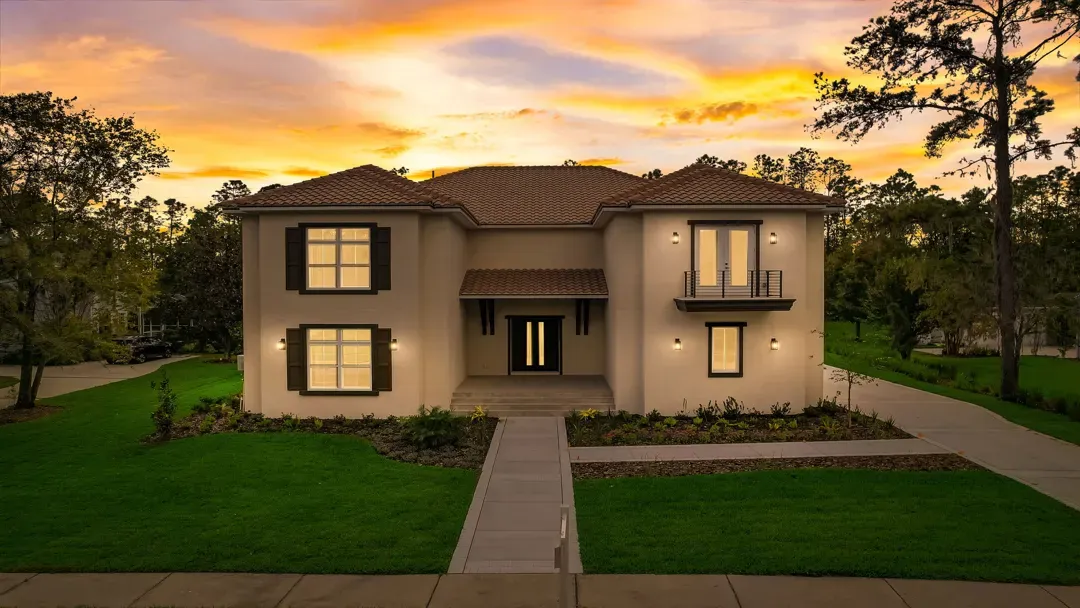
Living in Tampa means living with hurricane season. But building a custom home gives you something most homeowners don't have — the chance to design hurricane resistance into every wall, window, and roof truss from day one. Tampa Bay falls within Florida's Wind-Borne Debris Region, which means homes must meet some of the strictest building standards in the country. Here's what that means for your custom home and why building new is one of the smartest ways to protect your family and your investment.
Tampa Bay Wind Requirements
Tampa Bay sits in a high-velocity wind zone where homes must withstand minimum sustained winds of 130 mph. That’s not a suggestion — it’s codified in the Florida Building Code, and every new construction project must demonstrate compliance before receiving a certificate of occupancy.
For custom home builders, this means engineering wind resistance into the structural design from the foundation up: continuous load paths from roof to foundation, reinforced wall connections, and properly rated fasteners at every joint.
Impact-Resistant Windows and Doors
In Tampa’s Wind-Borne Debris Region, standard windows won’t pass inspection. Your custom home needs one of two solutions:
- Impact-rated windows and doors — Built with laminated glass and reinforced frames, these withstand both wind pressure and flying debris. They also reduce outside noise and block UV rays year-round.
- Approved hurricane shutters — A more budget-friendly option, but they require manual installation before each storm and block natural light when deployed.
Most custom home buyers in Tampa choose impact windows for the convenience and everyday benefits. They add to the upfront cost but eliminate the scramble of boarding up before a storm.
Reinforced Roofing Systems
The roof is your home’s most vulnerable surface during a hurricane. Florida Building Code requires:
- Hip roofs over gable roofs — Hip roofs have four sloping sides that distribute wind forces more evenly. Gable roofs create a flat surface that catches wind like a sail.
- Hurricane straps and clips — Metal connectors that tie the roof structure to the walls, creating a continuous load path that prevents the roof from lifting off.
- Sealed roof decking — Secondary water barriers that prevent rain intrusion even if shingles or tiles are torn away during a storm.
A properly built roof doesn’t just survive a hurricane — it keeps the rest of your home dry and intact while the storm passes.
Concrete Block vs. Wood Frame Construction
Tampa custom homes are predominantly built with concrete block (CMU) walls, and for good reason:
- Wind resistance — Concrete block walls handle lateral wind loads far better than wood framing.
- Moisture resistance — Block construction resists water intrusion and doesn’t rot or attract termites.
- Insurance benefits — Many Florida insurers offer significantly lower premiums for block construction homes.
Wood framing is still used for interior walls and upper stories, but the exterior shell of a Tampa custom home should be concrete block for maximum hurricane protection.
The Insurance Advantage
Building a hurricane-resistant custom home pays off every month through lower homeowner’s insurance premiums. Florida insurers use a Wind Mitigation Inspection to assess your home’s hurricane features, and each qualifying feature reduces your premium:
- Impact-rated openings (windows and doors)
- Hip roof geometry
- Secondary water resistance on the roof deck
- Concrete block construction
- Current Florida Building Code compliance
A new custom home that checks all these boxes can save thousands annually compared to an older home that predates modern building codes.
Florida Building Code Updates
Florida updates its building code every three years, and each cycle tightens hurricane resistance requirements. The current code cycle strengthens standards for materials and assemblies, improves water intrusion protection, and adds new requirements for fire-rated roof vents.
Building a custom home today means your home meets the latest standards — standards that older homes in your neighborhood may not meet. That’s peace of mind you can’t retrofit.
Building With Confidence in Tampa
Hurricane-resistant construction isn’t an upgrade — it’s the baseline for responsible building in Tampa Bay. When you build a custom home with a licensed general contractor who understands Florida’s building codes, you’re not just building a house. You’re building a home that protects your family through every storm season for decades to come.