Smart Home Features Every Tampa Homebuyer Wants in 2026

Alfil Construction LLC
Custom Home Builder
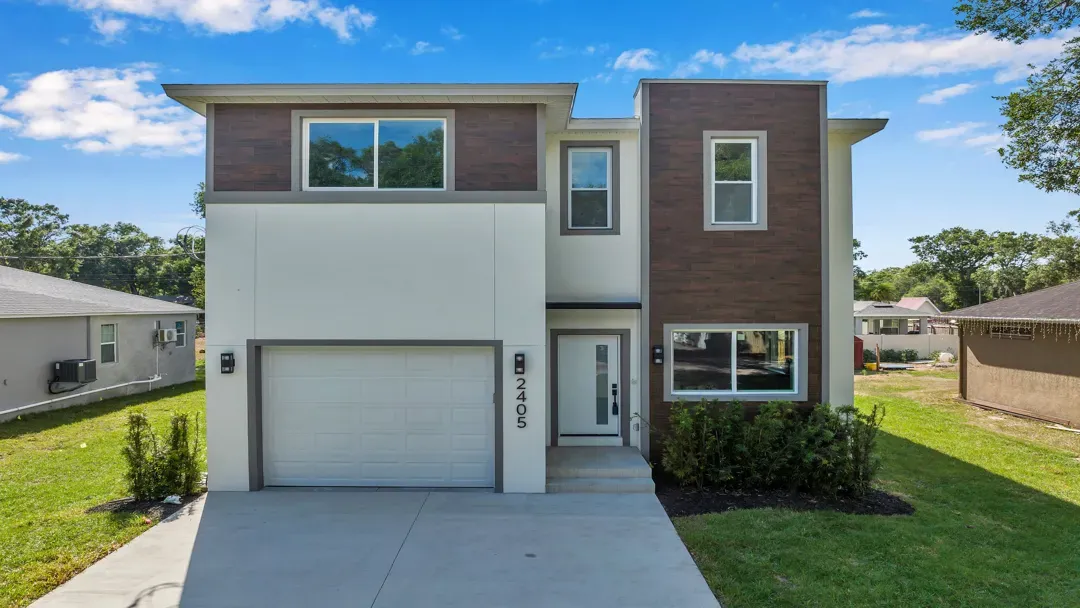
Smart home technology is no longer a luxury add-on in Tampa — it's an expectation. According to the National Association of Realtors, 85% of homebuyers say smart home features influence their purchase decision. For custom home builders, that means integrating these systems during construction rather than retrofitting them later. Here are the smart home features Tampa buyers want most and why building them in from the start makes all the difference.
Integrated Climate Control
In Tampa’s heat, smart climate control isn’t a convenience — it’s a cost-saving necessity. Smart thermostats like the Ecobee and Nest learn your household patterns and adjust automatically, but the real advantage comes from integrating them with your home’s other systems:
- Zoned HVAC with smart controls — Different temperatures for different rooms, adjustable from your phone. Cool the bedrooms at night without running the whole house.
- Automated blinds and shades — Smart shading that closes during peak sun hours can reduce cooling costs by 10–30%. In Tampa, where afternoon sun heats west-facing rooms aggressively, automated shading pays for itself quickly.
- Humidity monitoring — Tampa’s humidity demands active monitoring. Smart sensors tied to your HVAC system maintain optimal indoor humidity levels to prevent mold growth and improve comfort.
Building these systems into a custom home means proper wiring, pre-positioned sensors, and HVAC zoning designed from the start — things that are expensive and disruptive to add later.
Smart Security Systems
Tampa homebuyers consistently rank security as a top priority. Modern smart security goes far beyond a basic alarm:
- Video doorbells — See and speak with visitors from anywhere. Record footage automatically when motion is detected.
- Smart locks — Keyless entry with temporary codes for guests, contractors, or cleaning services. Lock and unlock from your phone.
- Interior and exterior cameras — Cloud-connected cameras with night vision and motion alerts. Review footage remotely at any time.
- Glass break sensors and smart motion detection — Automated alerts that distinguish between a pet and an intruder.
A custom home allows these systems to be hardwired into the structure with clean cable runs, dedicated power supplies, and optimal camera placement — no visible wires, no battery-dependent devices dying at the worst time.
Whole-Home Networking
Every smart device depends on a reliable network, and Wi-Fi dead zones kill the smart home experience. Custom home construction is the opportunity to build a network backbone that supports dozens of connected devices:
- Structured wiring — Cat6a ethernet runs to every room during rough-in. This provides hardwired connections for TVs, gaming systems, security cameras, and wireless access points.
- Distributed Wi-Fi access points — Ceiling-mounted access points in key locations eliminate dead zones far more effectively than mesh routers.
- Dedicated smart home hub location — A wired closet or cabinet with ventilation for your router, switches, and smart home controller.
This infrastructure is inexpensive to install during construction ($2,000–$5,000) but costs 5–10x more to retrofit after drywall is up.
Smart Lighting
Lighting sets the mood and affects energy consumption. Smart lighting in a custom home means:
- Scene control — One button for “movie night” dims the living room, turns off the kitchen, and adjusts the hallway to a warm glow.
- Occupancy sensors — Lights turn off automatically in unoccupied rooms. Simple but effective energy savings.
- Circadian lighting — Warm tones in the evening, bright whites during the day. Programmable color temperature that supports your sleep cycle.
- Outdoor automation — Porch lights, landscape lighting, and pathway lights on timers or motion sensors for security and curb appeal.
EV Charging Ready
Electric vehicle adoption is accelerating, and Tampa buyers are thinking ahead. Even if you don’t drive an EV today, installing a 240V outlet in the garage during construction costs under $500. Retrofitting one later — running new wire from the panel, potentially upgrading the panel itself — costs $1,500–$3,000.
A custom home should include at minimum a dedicated 50-amp circuit to the garage, pre-wired for a Level 2 EV charger. Some buyers are opting for a full charging station installation at build time to have it ready from day one.
Voice Control and Automation
The connective tissue of a smart home is the automation layer that ties individual devices together:
- Voice assistants — Alexa, Google Home, or Apple HomeKit integration lets you control everything by voice. “Good morning” can turn on lights, start coffee, adjust the thermostat, and read the news.
- Automated routines — Geofencing turns on the AC when you’re 15 minutes from home. A bedtime routine locks doors, arms the alarm, turns off lights, and adjusts the thermostat.
- Single-app control — All devices accessible from one interface on your phone, regardless of brand.
Build It In, Don’t Bolt It On
The difference between a truly smart home and a home with smart gadgets is planning. A custom home built with smart technology in mind has:
- Wiring in the walls, not adapters on the outlets
- Cameras at optimal angles, not wherever you can stick a mount
- Network infrastructure that handles 50+ devices without slowdown
- Automation that works together, not a collection of apps that don’t talk to each other
When smart home features are part of the construction plan from day one, they work better, look cleaner, cost less, and add real value to your home.